
Approval Isn’t Payment: Prop Firm Payout Methods, Funded Traders 2026
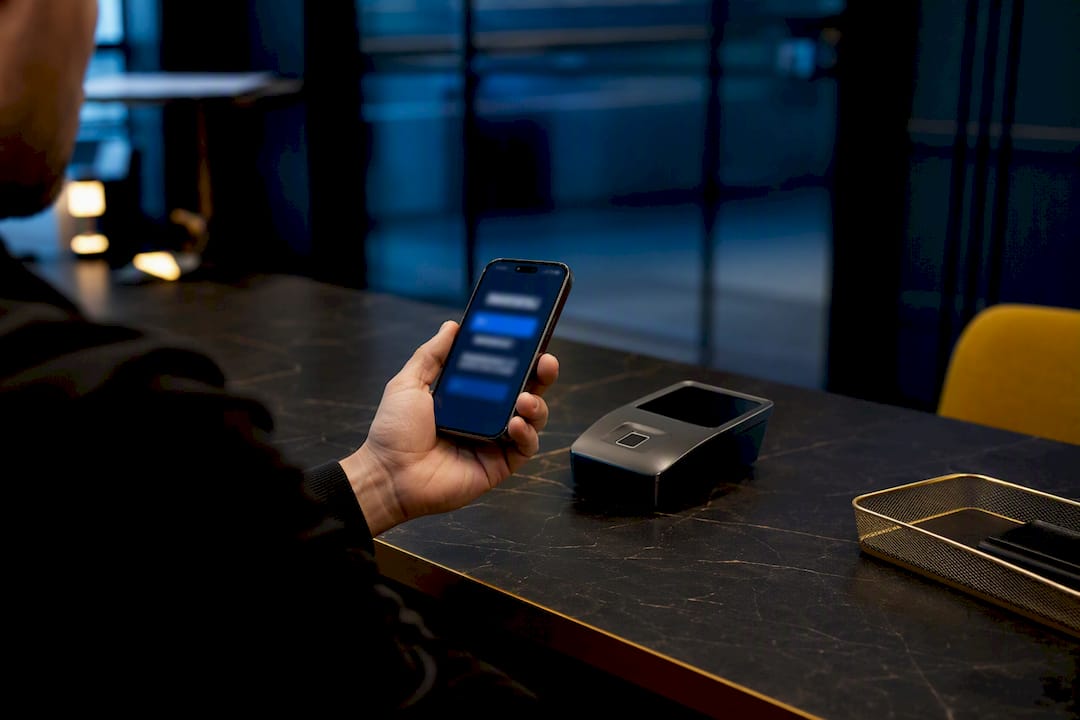
Prop firms pay traders through bank transfers, fintech payment rails, e-wallets, or crypto stablecoins, and the method you pick determines your net payout as much as your reward split does. Wire transfers reach almost anywhere but take 3 to 7 business days; ACH and SEPA are fast and cheap but only work for residents of specific regions; crypto usually clears fastest once a firm approves the request. Before you request anything, confirm the firm’s published payout policy, finish KYC well in advance, and have your receiving wallet or bank account ready under your own legal name.
TL;DR:
- Crypto is now the most supported payout method, with 84 out of 181 firms offering it, and often settles faster than traditional wire transfers.
- The first payout generally takes longer due to fraud screening and KYC checks, with subsequent payouts following a bi-weekly or weekly schedule.
- Approval and settlement are separate processes; approval can be quick, but settlement times vary from minutes for crypto to over a week for wire transfers.
- Fees, tax form issues, and mismatched account details frequently cause payout delays or rejections, making proper documentation crucial.
- Setting up your preferred payout method, verifying all paperwork, and understanding each firm’s policies beforehand can significantly speed up your cash flow.
Table of Contents
- How Do Prop Firm Payout Methods Actually Work?
- When Do You Get Your First Prop Firm Payout?
- Why Is “Instant Approval” Not the Same as Instant Payment?
- What Fees and Compliance Rules Can Block Your Payout?
- Which Payout Method Fits Your Region and Payout Size?
- What Should You Check Before Requesting a Payout?
- The FundedAxe Take on Payout Transparency
- Get Paid Faster With FundedAxe’s Transparent Payout Terms
- Where to Verify Payout Details Before You Choose a Firm
- Sources
How Do Prop Firm Payout Methods Actually Work?
Every rail moves money differently, and the differences show up directly in your bank balance. Understanding them upfront means fewer surprises and more predictable cash flow.
- Bank wire/SWIFT: The most universal option. It reaches nearly any country, but intermediary banks often skim fees along the way, and delivery typically runs 3 to 7 business days.
- ACH (US) and SEPA (EU): Cheap, fast, and reliable, but tied to domestic banking systems. You need a resident account in the right region, so they won’t work for a trader banking outside that zone.
- Fintech rails (Wise, Rise, Deel, Plane): Built specifically for cross-border payouts. They generally settle in 1 to 3 business days and avoid the layered fees that plague traditional wires. Firm adoption of Rise has grown largely because it sidesteps the cross-border banking friction wires create, according to a payout methods tracker covering 181 firms.
- E-wallets (PayPal, Skrill): Supported by a shrinking share of firms. When available, they come with receiving fees and payout caps that make them a poor fit for larger withdrawals.
- Crypto (USDT, USDC): Once a payout is approved, crypto often lands in your wallet faster than any other rail. Network fees vary by chain, and you’ll need to convert to fiat separately unless your exchange or bank supports direct crypto-to-cash conversion.
That same tracker found crypto is now the most commonly supported method, with 84 of 181 firms tracked offering it, compared to 40 for wire transfers and 33 for Rise.
When Do You Get Your First Prop Firm Payout?
Most firms hold back the first payout longer than every subsequent one. That gap catches new funded traders off guard more than any fee ever does.
- First withdrawal window: Typically a waiting period after your first profitable trade, largely because firms run fraud screening and finish KYC checks before releasing funds for the first time.
- Standard cadence: Bi-weekly payouts are the default across the industry, though weekly and monthly cycles both exist depending on the firm.
- Paid speed add-ons: A growing number of firms sell faster dispatch as an upgrade, letting traders request payouts more frequently than the default schedule allows.
- Cash-flow planning: If you’re treating funded trading like salary income, bi-weekly or weekly cadences work better than monthly ones. If you’re consolidating for larger, less frequent withdrawals, a monthly cycle can actually reduce your fee drag.
Payout architecture directly shapes how much liquidity you can count on month to month, and traders who ignore it tend to get blindsided by a slow first cycle right when they need the cash flow most.
Why Is “Instant Approval” Not the Same as Instant Payment?
Firms love to advertise fast approval, but approval and settlement are two entirely separate clocks, and confusing them is the single most common source of frustration around payout timing.
- Approval: This is the firm’s internal check, compliance review, trading-rule verification, and KYC confirmation. It typically takes 24 to 72 business hours.
- Settlement: This is the external rail actually moving your money. Crypto can settle in minutes to 24 hours. Wise and similar fintech rails run 1 to 3 business days. Wire transfers often take 5 to 10 days depending on the receiving bank.
Official help pages across the industry commonly quote approval windows of 1 to 3 business days, alongside settlement estimates that stretch from same-day for proprietary rails up to 10 days for SWIFT wires.
Here’s where it trips people up: a firm can approve your payout in an hour, then have it sit in wire transit for a week. Conversely, a firm with a slower manual review might approve you in three days but pay out through crypto that lands in your wallet within the hour. Read both numbers separately, not as one combined promise.
What Fees and Compliance Rules Can Block Your Payout?
Fees and documentation gaps are where net payouts quietly shrink, and where perfectly valid withdrawal requests get stuck in review.
- Flat fees hurt small withdrawals hardest. A $25 flat fee on a $200 payout costs you 12.5%; on a $2,000 payout it’s barely noticeable.
- Currency conversion margins on top of network or intermediary bank fees can eat another 1% to 3% depending on the rail.
- Common blockers: missing W-9 or W-8BEN tax forms, no proof of address on file, a receiving account name that doesn’t match your verified identity, or an incomplete liveness check.
- Mismatched beneficiary names are one of the fastest ways to get a payout frozen, since firms generally require funds to go to an account in the trader’s own legal name.
Pro Tip: Batch smaller gains into one larger withdrawal instead of requesting every few days. Consolidating cuts your total fee exposure and reduces how often you trigger manual compliance review.
Getting your KYC paperwork squared away before you ever request a payout saves you the multi-day back-and-forth that catches most first-time funded traders off guard.
Which Payout Method Fits Your Region and Payout Size?
The best rail depends heavily on where you bank and how often you plan to withdraw. Payout method suitability is genuinely regional, and using the wrong one for your location is how traders end up paying fees they didn’t need to.
- EU traders: SEPA transfers are typically the fastest and cheapest option available.
- US traders: ACH is the natural default, offering low costs and predictable timing.
- Emerging markets: Crypto or Rise tends to work best, since both sidestep the banking corridor issues and conversion friction that slow down traditional transfers.
A few tactical moves make a real difference regardless of region. Set up your receiving wallet or bank account before you need it, not while a payout is pending. If you’re using crypto, prioritize low-fee networks like TRC-20 or Solana over ERC-20, which can cost several times more per transaction. And if you trade with multiple funded accounts, stagger your withdrawal requests across firms rather than pulling from all of them simultaneously. That approach protects your drawdown buffers on each account while still giving you regular income.
Pro Tip: For payouts under $500, crypto or a fintech rail almost always beats a wire once you factor in intermediary bank fees. Save wire transfers for larger, less frequent withdrawals where the flat cost matters less proportionally.
What Should You Check Before Requesting a Payout?
Most rejected or delayed payouts trace back to the same handful of avoidable mistakes. Frequent small requests also compound risk, since each one can trigger a compliance review that puts your account into a temporary read-only state right when you’d want to keep trading.
- Close or flatten all open positions before submitting the request.
- Confirm your KYC status and tax forms (W-9 or W-8BEN) are fully on file.
- Check the firm’s minimum withdrawal amount and confirm your chosen method is actually supported.
- Verify your receiving account name matches your verified identity exactly.
- Expect a temporary read-only period on your account while the request processes.
Running through this list takes five minutes and prevents the kind of delay that turns a routine payout into a week-long email thread.
The FundedAxe Take on Payout Transparency
Payout friction usually comes down to policy ambiguity, not bad intent. FundedAxe publishes its reward-split structure, cadence options, and add-ons upfront: Pay After Pass evaluations, a base 90% split with a reward-split add-on up to 100%, and rewards requestable on day 10 and every 14 days after, or every 7 days with the faster cadence add-on. Reading the fine print on payout terms before you fund an account, not after your first request stalls, is the difference between predictable income and a frustrating surprise.
— Jean
Get Paid Faster With FundedAxe’s Transparent Payout Terms
If you’ve read this far, you already know the fastest payout in the world means nothing if the underlying policy buries you in fine print later. FundedAxe built its terms the opposite way: static drawdown, no time limits, no consistency rules, and payout cadence you can actually plan around instead of guessing at.

Start with a Pay After Pass evaluation for $9.99 and only pay the remaining fee once you pass, keep a 90% split from day one, and add the reward-split upgrade if you want to push toward 100%. Rewards open up on day 10 and repeat every 14 days, or every 7 with the faster cadence add-on, so you know exactly when money moves before you ever fund the account. Compare account sizes, fees, and payout add-ons side by side on the package comparison page and pick the structure that matches how you actually want to get paid.
Where to Verify Payout Details Before You Choose a Firm
Firm-specific terms change, so confirm the details that matter to you directly with the source before committing.
- The payout methods tracker for current method support across 181 firms.
- Each firm’s own help center for exact approval windows and fees.
- FundedWiki’s payout guide for how consistency rules affect withdrawals.
Sources
- Prop firm payout methods tracker
- How Prop Firm Payouts Work (And How to Actually Get Paid) — FundedWiki
- Prop Firm Withdrawal Methods in 2026: What Firms Support and How to Choose | PROP NAVI
- Prop Firm Payout Architecture: A Complete Guide to Liquidity and Cycles